Part 1: The Loneliness No One Talks About
The aroma of disinfectant clings to the air in every oncology clinic.
Sterile. Controlled. Clinical.
But what no one prepares you for is the other thing that lingers there.
Isolation.
Cancer is hard. That is universal.
But cancer while BIPOC carries an additional weight that is rarely named and even more rarely addressed.
It is the loneliness of being the only one in the room.
I remember sitting in waiting rooms where I scanned the walls before I scanned the faces.
Pamphlets. Posters. Smiling survivors.
None of them looked like me.
None of them looked like my mother sitting beside me holding herself together by sheer will. None of them reflected the lineage that raised me, the ancestors who steadied my spine when my voice trembled.
You feel it immediately. The awareness.
You are not the default patient here.
No one says it out loud. They do not have to.
Your body knows.
Your shoulders rise slightly. Your speech becomes measured. You prepare, consciously or not, to advocate a little harder. To explain a little more. To prove a little deeper that you belong in this space and that your pain is real.
That quiet preparation is exhausting.
Then there are the materials.
The well meaning brochures about diet that do not mention the foods your family actually eats.
The hair loss guides that assume straight strands and never consider textured crowns.
The support group flyers filled with images that never resemble your family structure, your skin tone, your story.
Individually, these may look like small oversights.
Collectively, they tell a story.
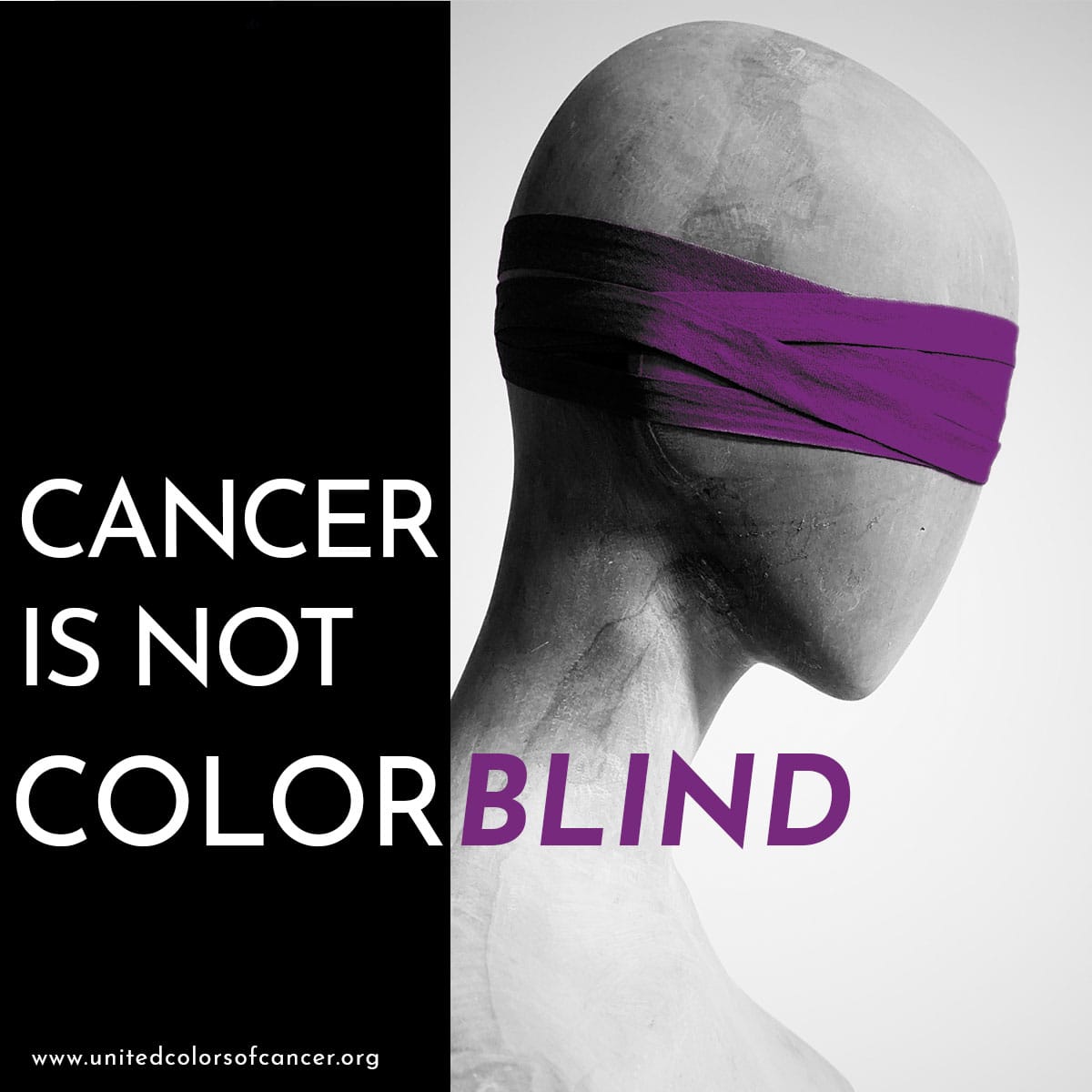
This system was not designed with you centered.
And when you are fighting for your life, the last thing you should have to fight for is cultural recognition.
For many of us, we do not walk into hospitals alone.
We walk in carrying history.
Stories of medical dismissal.
Stories of experimentation without consent.
Stories of pain underestimated and symptoms minimized.
That history does not disappear just because the walls are freshly painted and the technology is advanced.
It sits quietly in the room with you.
So when a provider dismisses your concerns or rushes your questions, it does not land lightly. It lands on generations.
Mistrust in BIPOC communities did not emerge from imagination. It emerged from experience.
When that context is ignored, the isolation deepens.
You are not just managing cancer.
You are managing memory.
And then there is the data.
You search for survival statistics. You look at clinical trials. You read the fine print and find phrases like “limited representation” and “insufficient sample size.”
You realize, again, that you are not centered in the research guiding your treatment.
Invisibility in data translates into uncertainty in decision making.
If people who look like you were not adequately studied, how confidently can you interpret the outcomes? How secure can you feel in your plan of care?
Invisibility is not abstract. It has psychological weight.
It whispers: you are on your own.
Cancer shakes your world.
But for many BIPOC patients, the ground was already unstable.
The loneliness of being the only one in the room.
The absence of culturally relevant support.
The shadow of historical harm.
The quiet erasure within research and representation.
These layers compound.
They are rarely acknowledged in treatment plans, yet they shape the experience profoundly.
Cancer is hard.
Cancer while BIPOC often means fighting to be seen before you can even begin fighting the disease.
That is the loneliness no one talks about.
And it is time we do.
And if invisibility in the waiting room is isolating, invisibility in research is even more dangerous.
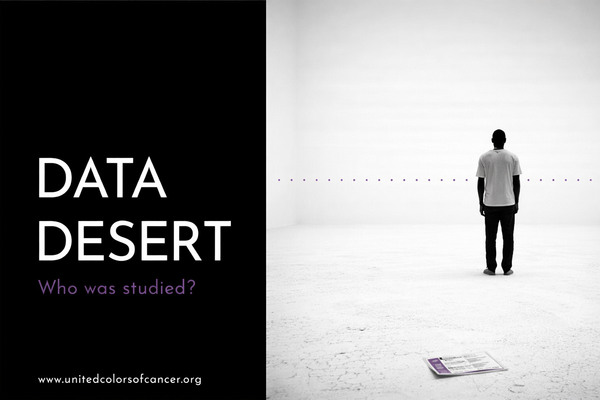
In Part 2, we will step into what I call the Data Desert, the reality of searching for survival statistics and clinical trial outcomes and not seeing yourself reflected in the numbers. We will examine what it means to make life altering decisions when your community has been underrepresented in the very studies guiding your care.
Because representation is not cosmetic.
It is clinical.
And when the data barely includes you, the loneliness deepens.
Part 2: The Data Desert.