The True Cost of Cancer Goes Far Beyond the Medical Bill
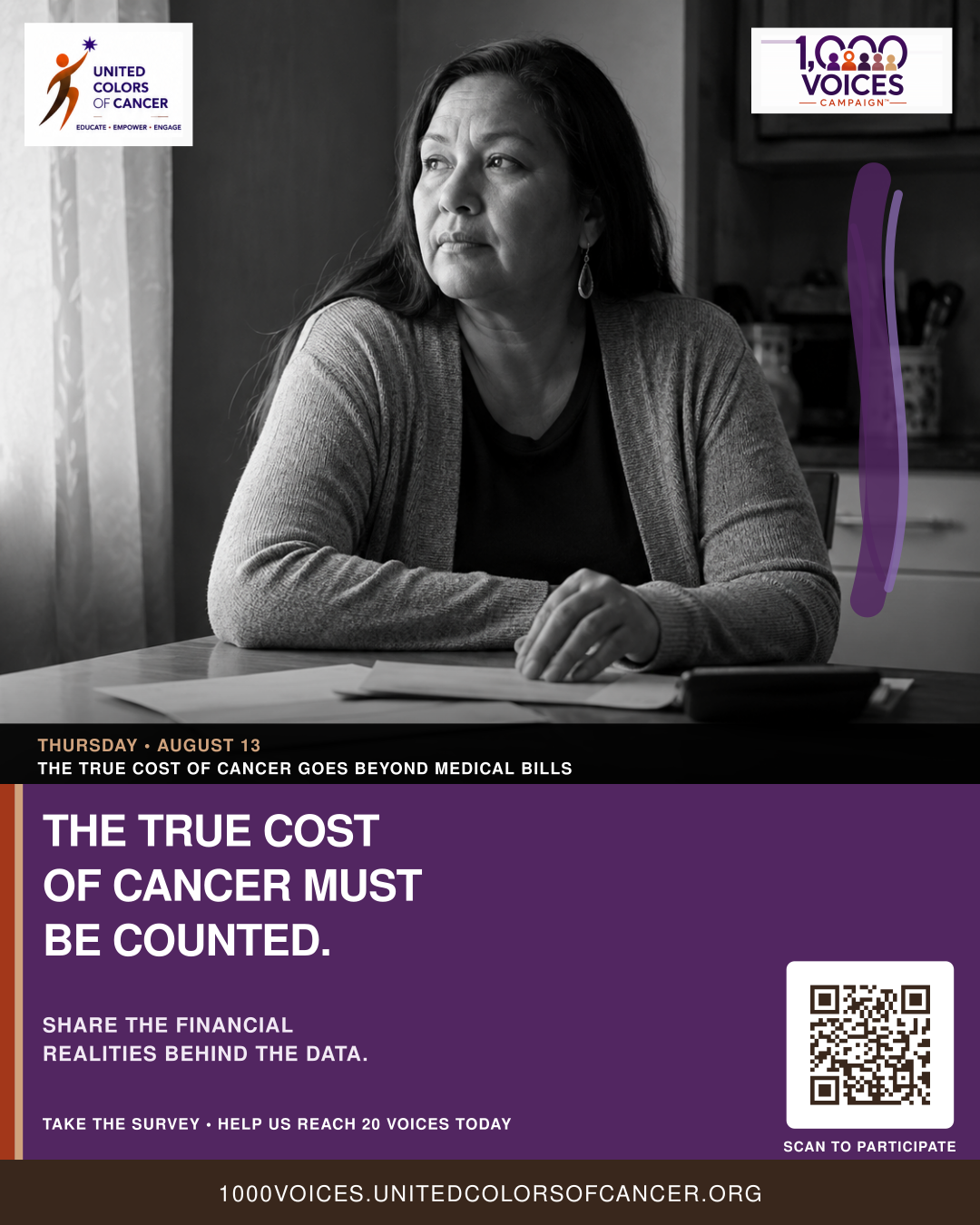
The cost of cancer cannot be measured by a hospital bill alone.
It may appear in a smaller paycheck after missed shifts, reduced hours, or unpaid leave. It may look like gas, parking, airfare, or hotel costs for treatment far from home. It can include childcare, special foods, prescriptions, medical supplies, home modifications, or insurance premiums that continue even when income stops.
For some families, cancer creates impossible choices: pay a bill or fill a prescription, attend an appointment or protect a job, ask for help or quietly take on more debt.
This burden is often called financial toxicity because money-related stress can affect health, well-being, treatment decisions, and recovery. But the phrase can sound clinical. The reality is deeply personal. Financial strain can change where someone lives, whether they can work, how they care for their family, and what recovery looks like long after treatment ends.
These experiences are not equally distributed. People who already face inequities in income, insurance coverage, transportation, employment protections, and access to care may carry an even greater burden after a cancer diagnosis.
The 1,000 Voices for Cancer Equity™ Campaign is gathering these realities through an anonymous survey for adult cancer patients, survivors, and caregivers. We want to understand not only what care people received, but what it cost them financially, emotionally, and practically.
The campaign centers BIPOC and underserved communities, while welcoming eligible participants of every race and background. By documenting the costs that are easy to overlook, we can help build a fuller picture of what people need from cancer care and support systems.
If cancer affected your employment, income, housing, transportation, insurance, savings, debt, or ability to meet everyday needs, your experience belongs in the data.
Take the 10–12-minute survey and help us reach 20 voices today at https://1000voices.unitedcolorsofcancer.org.
The true cost of cancer should not remain hidden—and no family should have to carry it in silence.