Your Cancer Story Is More Than a Statistic
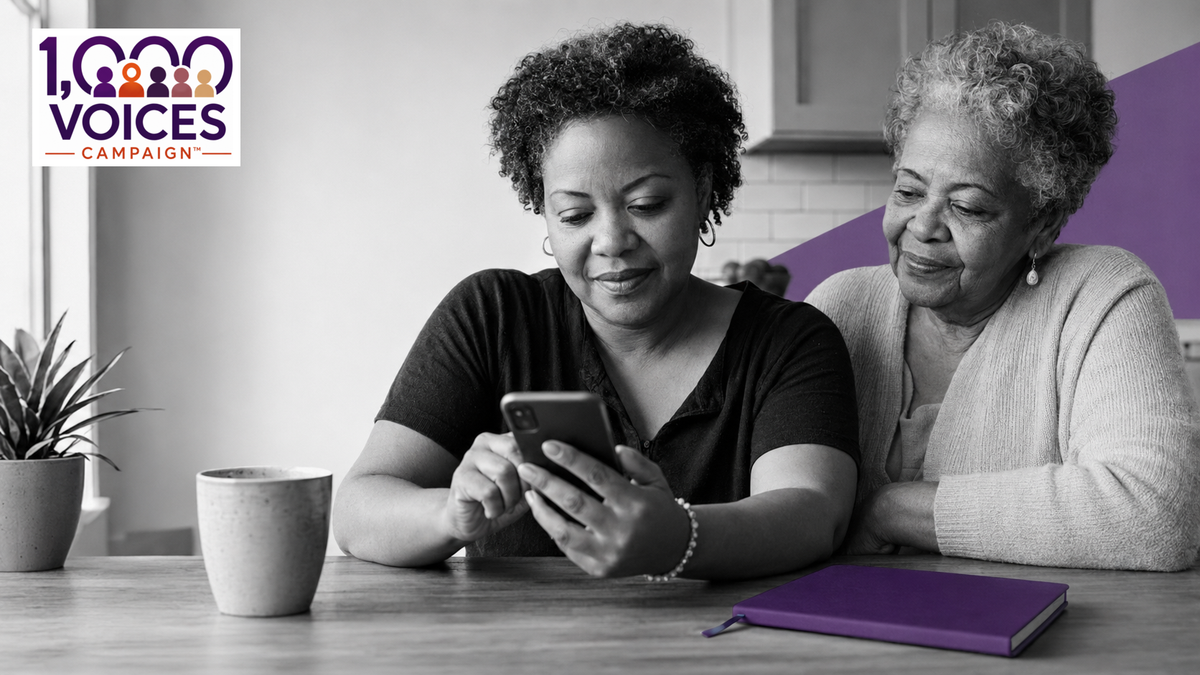
There is the cancer story that appears in a medical record.
Then there is the story you lived.
The medical record may show the date of diagnosis, the treatment ordered, and whether an appointment was completed. It may not show the hours spent searching for a specialist who accepted your insurance. The medication skipped because the copay was too high. The question you did not ask because you did not feel safe. The child you comforted before allowing yourself to break down.
Those details matter.
They help explain why two people with the same diagnosis can have profoundly different experiences and outcomes.
The 1,000 Voices for Cancer Equity™ survey was created to listen for those differences—and to identify the patterns connecting them.
What will the survey ask?
The 10–12 minute survey moves through four areas:
- About You — the personal and demographic context that shapes your experience.
- Access and Barriers — what helped or delayed your ability to receive care.
- Emotional and Financial Impact — how cancer affected your wellbeing, work, family, and financial stability.
- Treatment and Your Voice — what happened during care and what you want researchers, healthcare leaders, and decision-makers to understand.
The questions are designed to help us see more than whether care occurred. We want to understand what made care possible, what made it harder, and where people were asked to carry burdens the system should have addressed.
One response can reveal more than you think
Your experience may feel too personal, too ordinary, or too complicated to matter in a national conversation. But the very detail you almost leave out may be the detail someone else has also lived.
One person reports delaying treatment because of transportation.
Another describes choosing between medication and rent.
Another shares that no one explained fertility preservation before treatment began.
Another remembers being dismissed when reporting pain.
Individually, each response is a story. Together, those responses can show where systems repeatedly fail—and where change is most urgent.
That is the purpose of the 1,000 Voices campaign: to transform lived experience into a national benchmark without stripping away the humanity that gives the data meaning.
Data with a heartbeat
At United Colors of Cancer, we believe the people closest to a problem should help define it.
We are not asking people to share for the sake of collecting stories. We are asking because better questions can lead to better evidence, and better evidence can strengthen advocacy, research priorities, support programs, and accountability.
Your experience may help another patient feel less alone.
It may help a researcher recognize a missing question.
It may help an organization understand where support is breaking down.
It may help make the invisible visible.
Get ready to add your voice
The survey opens August 1. Our first goal is to gather 1,000 voices by September 24, World Cancer Research Day. The survey will remain open through December 31, 2026.
The campaign centers BIPOC cancer experiences, and everyone affected by cancer is welcome to participate.
Your story is more than a statistic. It is knowledge. It is evidence. It is part of the change cancer care needs.
Learn about the campaign: 1000voices.unitedcolorsofcancer.org
Take the survey beginning August 1: survey3.unitedcolorsofcancer.org